Managing staff uniforms for a large company can be challenging. As your workforce grows, keeping track of uniform sizes, maintaining consistent branding, controlling costs, and ensuring every employee has the right uniform becomes increasingly important.
For companies with 30 or more employees, a well-organized uniform program is essential for maintaining professionalism, improving operational efficiency, and creating a consistent brand identity.
Whether you operate a factory, hospital, hotel, supermarket, construction company, security firm, or corporate office, having a structured approach to staff uniform management can save time, reduce unnecessary expenses, and improve employee satisfaction.
At Mahia Workwear, we help businesses simplify their uniform needs through quality workwear, custom uniform stitching, and professional branding.
Here is how to manage a uniform program effectively.
1. Establish Clear Uniform Requirements
The first step in managing a corporate uniform program is identifying what each department needs.
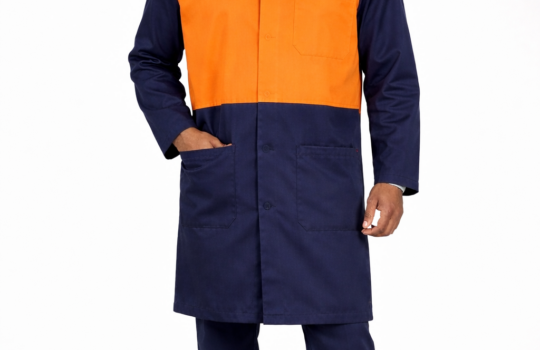
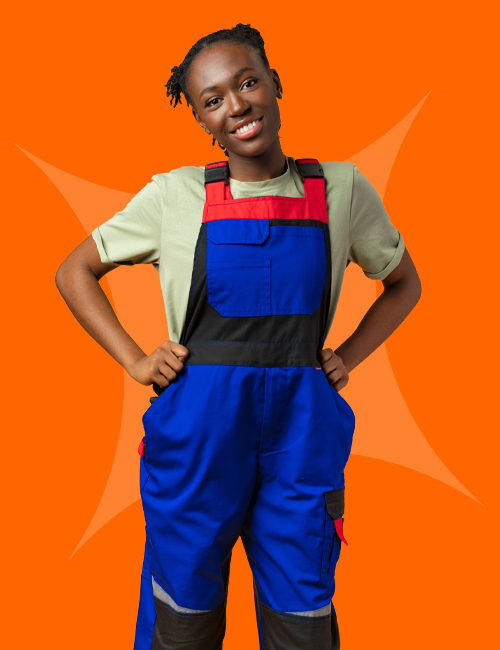
Different roles require different types of workwear. For example, factory workers may need overalls and dust coats, healthcare professionals may require medical scrubs and lab coats, while hospitality employees may need chef coats, aprons, and branded shirts.
Start by identifying:
- The number of employees in each department.
- The type of uniform required for each role.
- Specific safety and operational requirements.
- Branding requirements, including logos and employee identification.
- The frequency of uniform replacement.
Creating a uniform requirements list ensures that every employee receives appropriate workwear and prevents unnecessary purchases.
2. Maintain an Accurate Employee Size Register
One of the most common problems in large uniform programs is incorrect sizing. Poorly fitting uniforms can affect employee comfort, create additional costs, and delay distribution.
Maintain an employee uniform register containing each employee’s name or identification number, department, required uniform items, sizes, and issued quantities.
For new employees, collect accurate measurements before placing orders. Where possible, work with a uniform supplier that can support size sampling before full production begins.
For companies with 30, 50, 100, or more employees, this simple system can significantly reduce sizing errors and improve uniform distribution.
3. Choose a Reliable Corporate Uniform Supplier
A reliable corporate uniform supplier in Kenya should offer more than just clothing. Your supplier should understand your business requirements, maintain consistent quality, and deliver orders within agreed timelines.
When selecting a workwear supplier, consider the following factors:
- Product quality: Uniforms should withstand the demands of daily work and regular washing.
- Consistent sizing: Repeat orders should match previous specifications as closely as possible.
- Branding capability: Your supplier should be able to stitch or brand your company logo professionally.
- Production capacity: The supplier should handle your order quantities and future requirements.
- Reliable delivery: Uniforms should arrive according to an agreed schedule.
- Replacement support: Your supplier should help you manage additional orders when new employees join or uniforms become worn out.
Working with one dependable supplier can simplify procurement, improve consistency, and reduce the administrative burden on your HR and procurement teams.
4. Standardize Your Uniform Designs and Branding
Consistency matters when managing uniforms across multiple departments, branches, or locations.
Develop clear uniform specifications for each employee category. These should include the approved design, fabric, colour, sizing, logo placement, branding method, and any additional features required.
For example, a company operating five branches should aim to maintain the same approved uniform standards across all locations.
Standardization helps prevent situations where employees wear different shades of the same colour, logos appear in inconsistent positions, or new uniform orders look noticeably different from previous batches.
At Mahia Workwear, businesses can explore customized workwear solutions that support consistent branding across their teams.
5. Create a Uniform Budget and Replacement Policy
A uniform program should be planned as an ongoing business expense rather than an emergency purchase whenever employees need clothing.
Prepare an annual uniform budget based on employee numbers, uniform quantities, unit costs, expected replacement needs, and new recruitment.
For example, a company with 50 employees issuing three uniform sets per employee requires an initial allocation of 150 uniform sets.
If the company expects employee growth, damaged uniforms, or additional operational requirements, these should also be considered when planning future purchases.
Establish a written replacement policy explaining when uniforms are replaced, how damaged items are reported, and how additional uniforms are requested.
The goal is to balance cost control with employee comfort, professional appearance, and any applicable safety requirements.
6. Implement a Uniform Issuance and Tracking System
For a large organization, distributing uniforms without proper records can lead to shortages, duplication, and disputes.
Use a spreadsheet or inventory management system to record every uniform issued. Each record should capture the employee, item description, size, quantity, issue date, and any applicable acknowledgement.
Assign a responsible person in HR, administration, or procurement to oversee the process.
For companies with multiple branches, designate a uniform coordinator at each location and require regular stock reports.
This approach gives management better visibility into uniform usage, helps identify recurring shortages, and makes future purchasing decisions more accurate.
7. Plan for New Employees, Transfers, and Departures
Uniform management does not end after the initial order.
Every growing company must account for recruitment, employee transfers, promotions, and departures.
Include uniform allocation in your employee onboarding checklist so that new team members receive the correct workwear before beginning their duties.
Maintain a small reserve of commonly used sizes and items where practical, especially for positions with frequent recruitment.
When employees transfer between departments, review whether their existing uniforms remain appropriate. For departing employees, apply a clear and lawful policy for handling reusable uniforms, company-owned items, and branded workwear.
Planning for these changes reduces last-minute orders and helps maintain consistent standards.
8. Review Uniform Performance Regularly
A uniform program should improve as your company grows.
Review the program periodically to assess fabric durability, employee feedback, sizing accuracy, supplier performance, delivery times, and total expenditure.
Track useful measures such as the cost per employee, replacement frequency, number of sizing errors, and percentage of orders delivered on time.
If uniforms wear out too quickly, investigate fabric quality, garment construction, washing practices, and working conditions before simply increasing the replacement budget.
Regular reviews help your company make better purchasing decisions and build a more efficient uniform program over time.
Why Choose Mahia Workwear for Your Company Uniforms?
Managing uniforms for a workforce of 30 or more employees requires planning, consistency, and a dependable supplier.
Mahia Workwear helps businesses source and customize workwear, including overalls, dust coats, aprons, corporate shirts, scrubs, and other staff uniforms.
Whether you are equipping a small team or coordinating uniforms across multiple departments, the right uniform partner can help simplify ordering, maintain consistent branding, and support your company’s professional image.
Instead of treating uniforms as an occasional purchase, build a uniform program that supports your workforce and your business objectives.
Ready to organize your company’s uniform program?
Visit https://mahia.co.ke/ to explore Mahia Workwear’s uniform and workwear solutions for your business.
Frequently Asked Questions
How many uniform sets should a company provide per employee?
The appropriate number depends on the employee’s role, work environment, washing frequency, and company policy. Three sets per employee can be a useful starting point for planning, but operational requirements should determine the final allocation.
How can a company reduce uniform costs?
Standardize uniform designs, maintain accurate size records, compare total supplier costs, plan purchases in advance, and monitor garment durability. Avoid choosing uniforms based on price alone when poor quality could increase replacement expenses.
What should a company look for in a uniform supplier in Kenya?
Consider product quality, consistent sizing, customization capabilities, production capacity, delivery reliability, and the supplier’s ability to handle repeat orders as your workforce grows.
Can uniforms be customized with a company logo?
Yes. Corporate uniforms and workwear can be customized using suitable branding methods, including embroidery and printing. The best method depends on the garment, logo design, fabric, and intended use.
When should a company review its uniform program?
Review the program at least annually and whenever there are significant changes in employee numbers, operational requirements, supplier performance, or uniform costs.
Mahia Workwear — Brand Your Team.